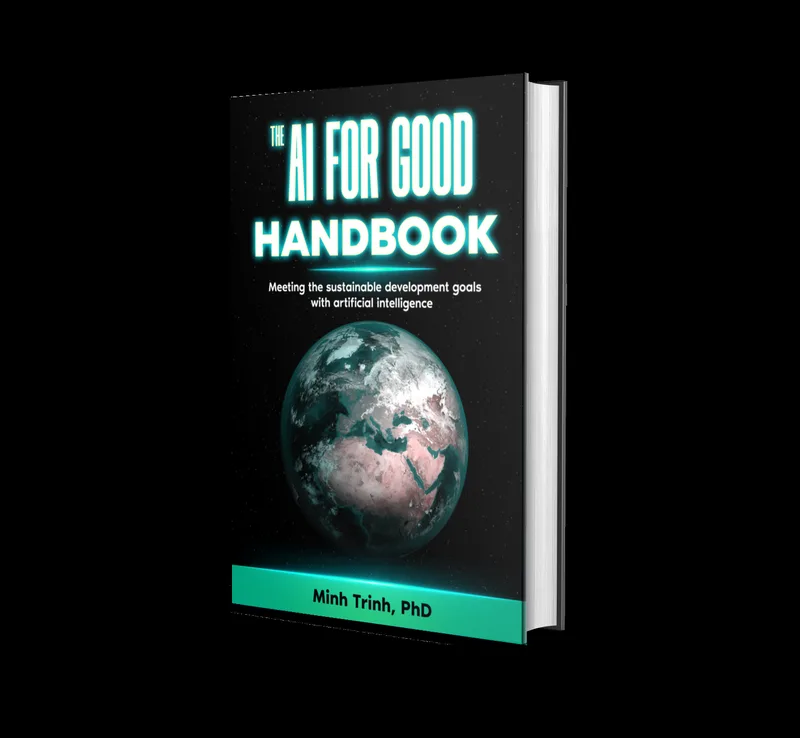
The AI for Good Handbook: Meeting the sustainable development goals with artificial intelligence
In 2015, the United Nations General Assembly set out 17 sustainable development goals to be achieved by 2030. These goals, ranging from ending poverty and hunger to promoting gender equality and protecting the environment, offer a roadmap for creating a more sustainable and equitable world. This book explores how artificial intelligence can be harnessed to help achieve them.
From machine learning algorithms that detect and prevent disease to smart cities that use clean energy, the potential applications of AI for sustainable development are numerous and exciting. But we must also be mindful of the drawbacks and ethical concerns that come with this powerful technology — and this book discusses the challenges that must be taken into account as we strive to use AI for the greater good.
Table of Contents
- PrefaceThe Sustainable Development Goals
- Chapter 1Poverty Reduction
- Chapter 2Hunger
- Chapter 3Human Health
- Chapter 4Education
- Chapter 5Work, Gender, Equality, and Inequalities
- Chapter 6Cities and Communities
- Chapter 7Climate Change
- Chapter 8Energy
- Chapter 9Land Ecosystems
- Chapter 10Water Ecosystems
- Chapter 11Sustainable Infrastructure, Industrialization, and Innovation
- Chapter 12Sustainable Economy
- Chapter 13Peace, Justice, and Institutions
- Chapter 14Partnerships for Sustainable Development
- Conclusion
Related lectures
AI for Good Summer Lectures, Lecture 1: Poverty
AI for Good Summer Lectures, Lecture 2: Hunger
AI for Good Summer Lectures, Lecture 3: Cities and Communities
More books
LLM Agents
The foundational volume — covering large language model agents, prompting, reasoning, and the building blocks of autonomous AI.
Artificial Intelligence Finance
AI applications in financial markets, risk, trading, and quantitative analysis.
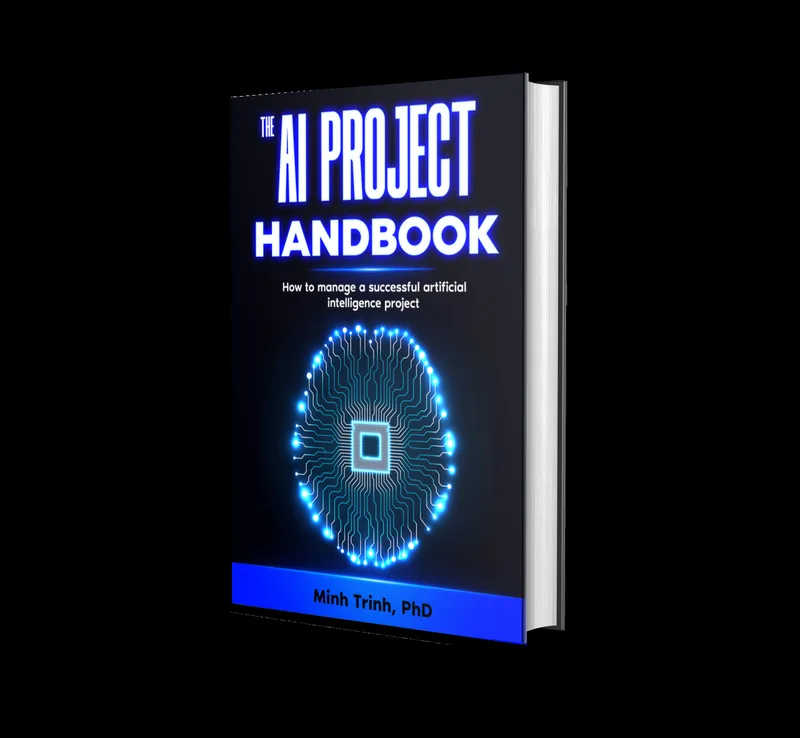
The AI Project Handbook
End-to-end guidance for planning, executing, and delivering AI projects in the enterprise.