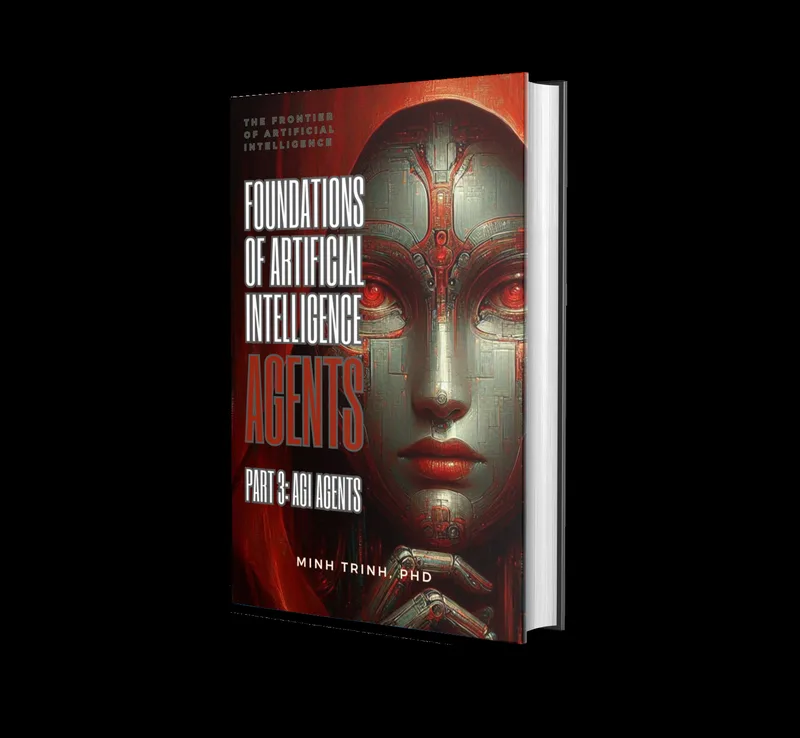
Foundations of Artificial Intelligence Agents — Part 3: AGI Agents
As artificial intelligence rapidly transforms every aspect of our world, a new frontier beckons: Artificial General Intelligence (AGI) — machines capable of learning, reasoning, and adapting across any domain with human-like flexibility. In this third installment of the Foundations of Artificial Intelligence Agents series, we venture beyond narrow AI into the uncharted territory of truly general intelligence.
Beginning with a clear definition of what distinguishes AGI from today’s AI systems, the book traces the evolution of artificial intelligence — from its symbolic origins through the connectionist revolution to today’s hybrid architectures. It explores the theoretical frameworks underpinning AGI research, including cognitive architectures and emergent self-organizing systems; the critical role of world models; the challenges of embedded and embodied intelligence, from physical robots to edge computing; and practical agent architectures designed for general learning, adaptation, and meaningful human-AI interaction.
We stand at an inflection point in the history of intelligence itself. This book doesn’t shy away from the profound ethical, societal, and philosophical implications of creating machines that might one day match — or exceed — human cognitive capabilities. It is more than a technical manual: it is an invitation to think deeply about intelligence, agency, and what it means to create minds.
Related lectures
The Path to Artificial General Intelligence
World Models for AI
Neuro-Symbolic AI
More books
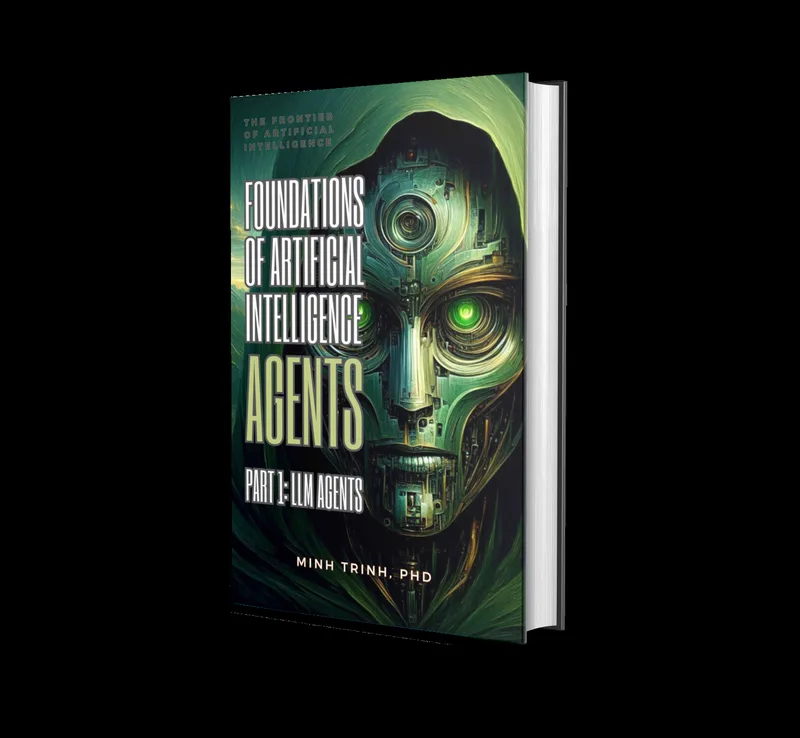
LLM Agents
The foundational volume — covering large language model agents, prompting, reasoning, and the building blocks of autonomous AI.
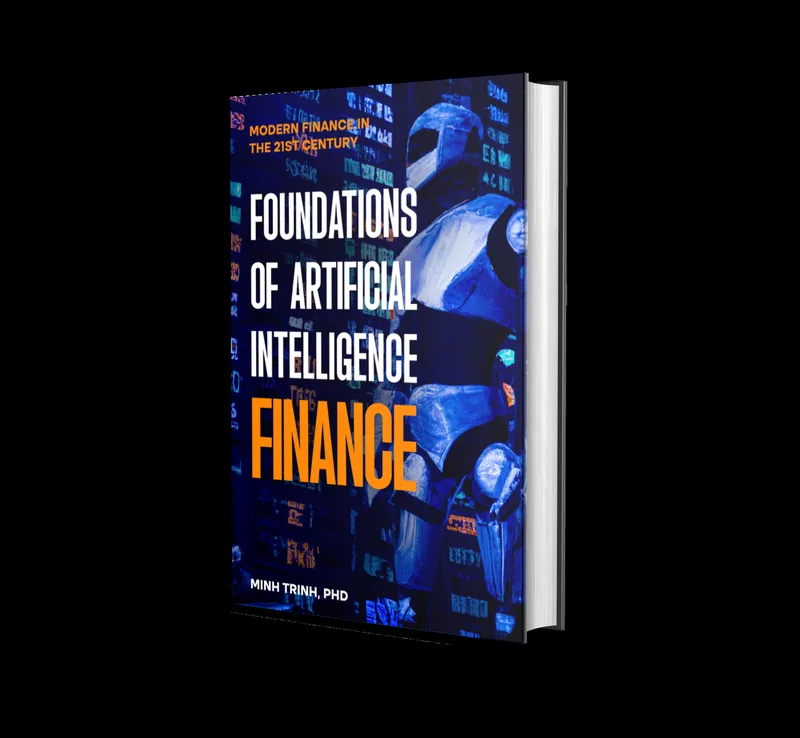
Artificial Intelligence Finance
AI applications in financial markets, risk, trading, and quantitative analysis.
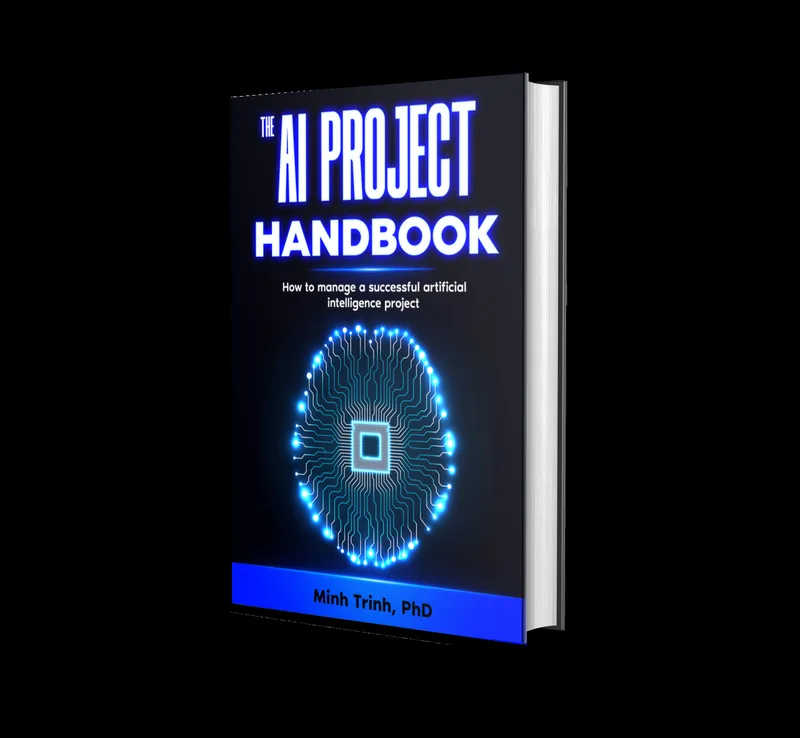
The AI Project Handbook
End-to-end guidance for planning, executing, and delivering AI projects in the enterprise.